
STORIES
EXPLORING THE WORLD’s KELP FORESTS
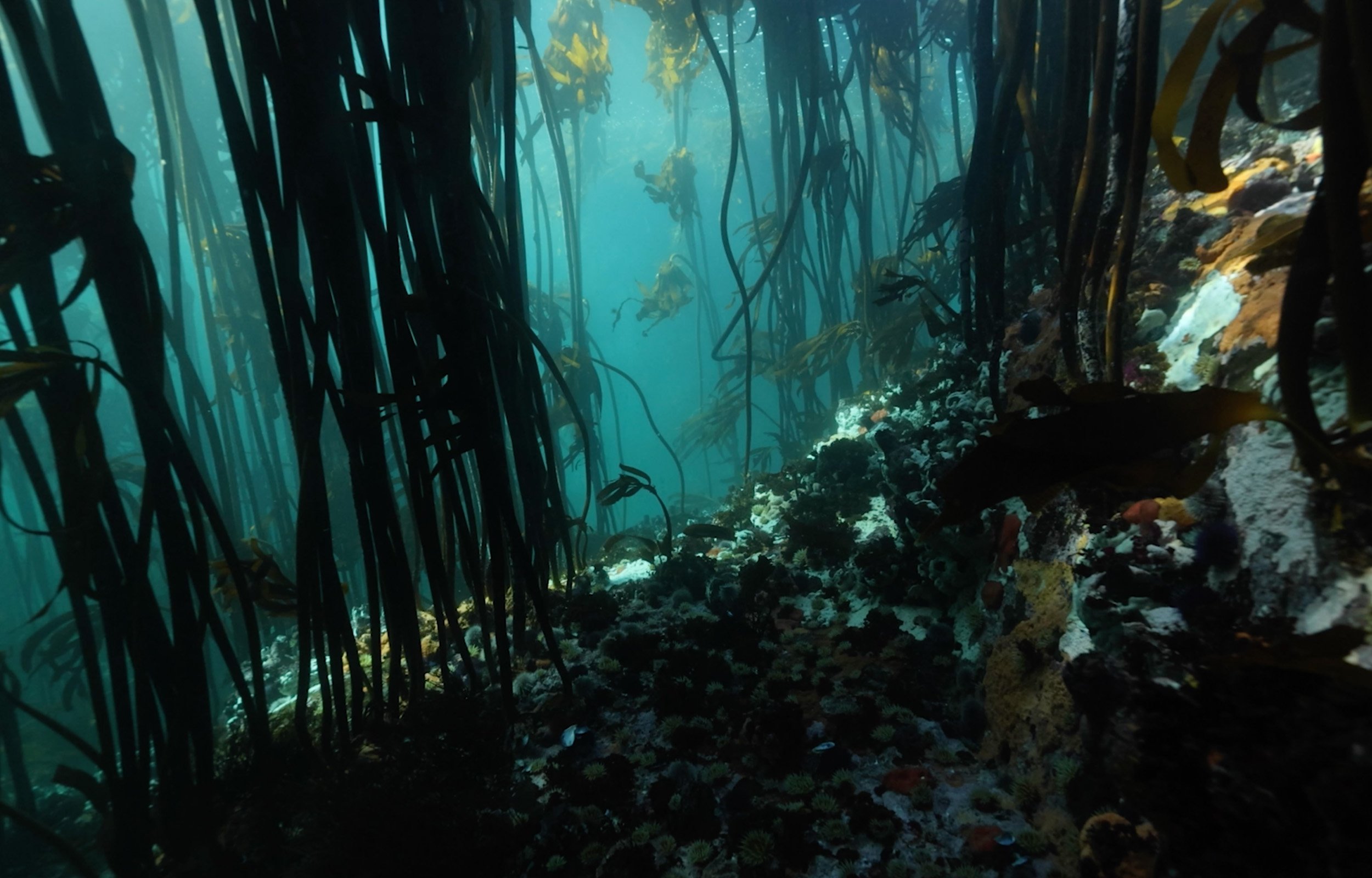
Despite being located just offshore, kelp forests are among the most under-appreciated, under-explored and under-protected ecosystems on our planet – yet rank among the most complex, captivating and biodiverse. All around the world, these habitats are disappearing at twice the rate of coral reefs and four times that of rainforests.
Images, films and storytelling can play a vital role in building awareness, inspiring understanding and highlighting the value of these underwater worlds. This page documents our explorations of kelp forests, the people working to protect them and all the species that depend on them.

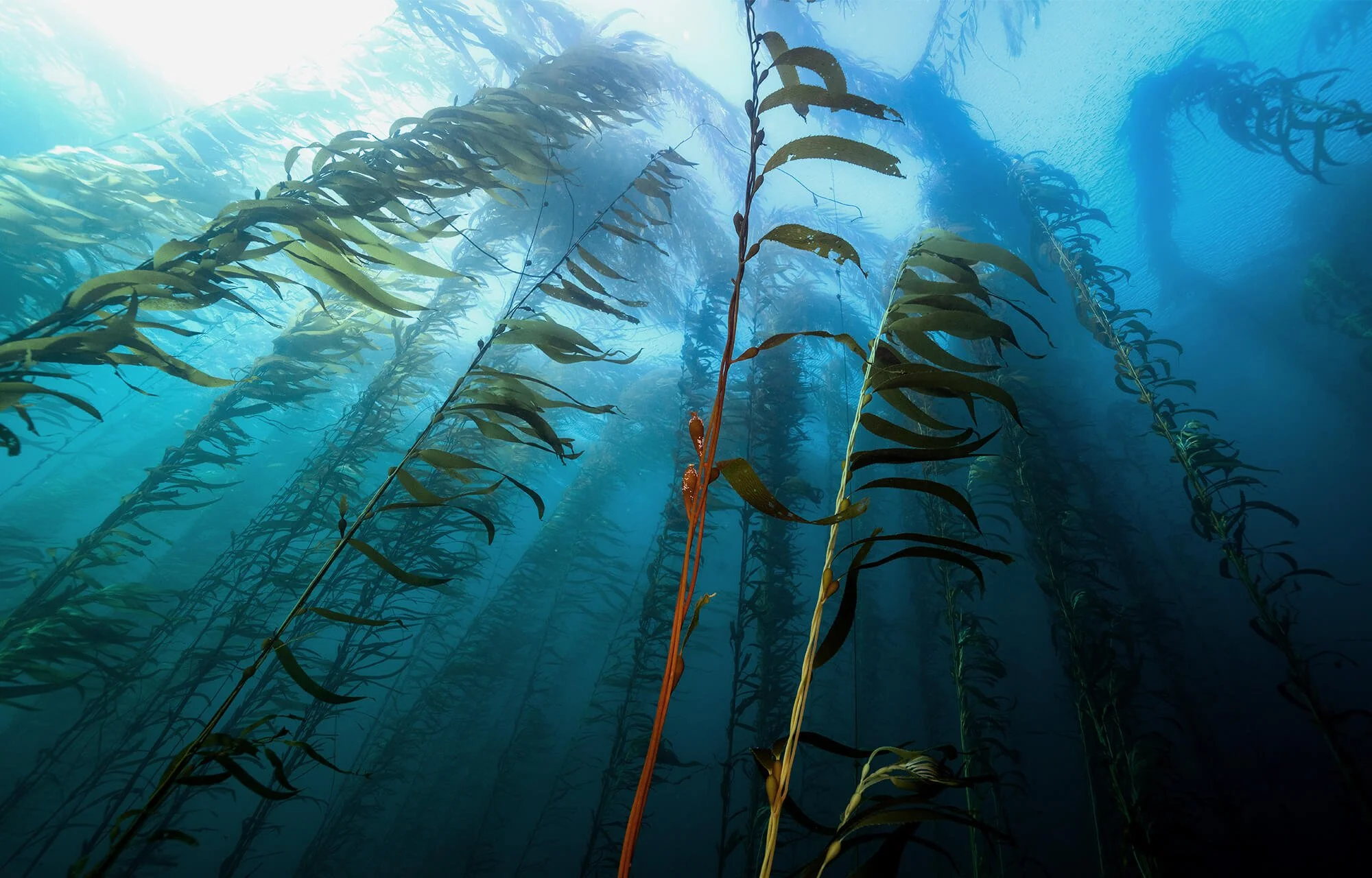
SAFEGUARDING SEA FORESTS AT THE EDGE OF THE WORLD
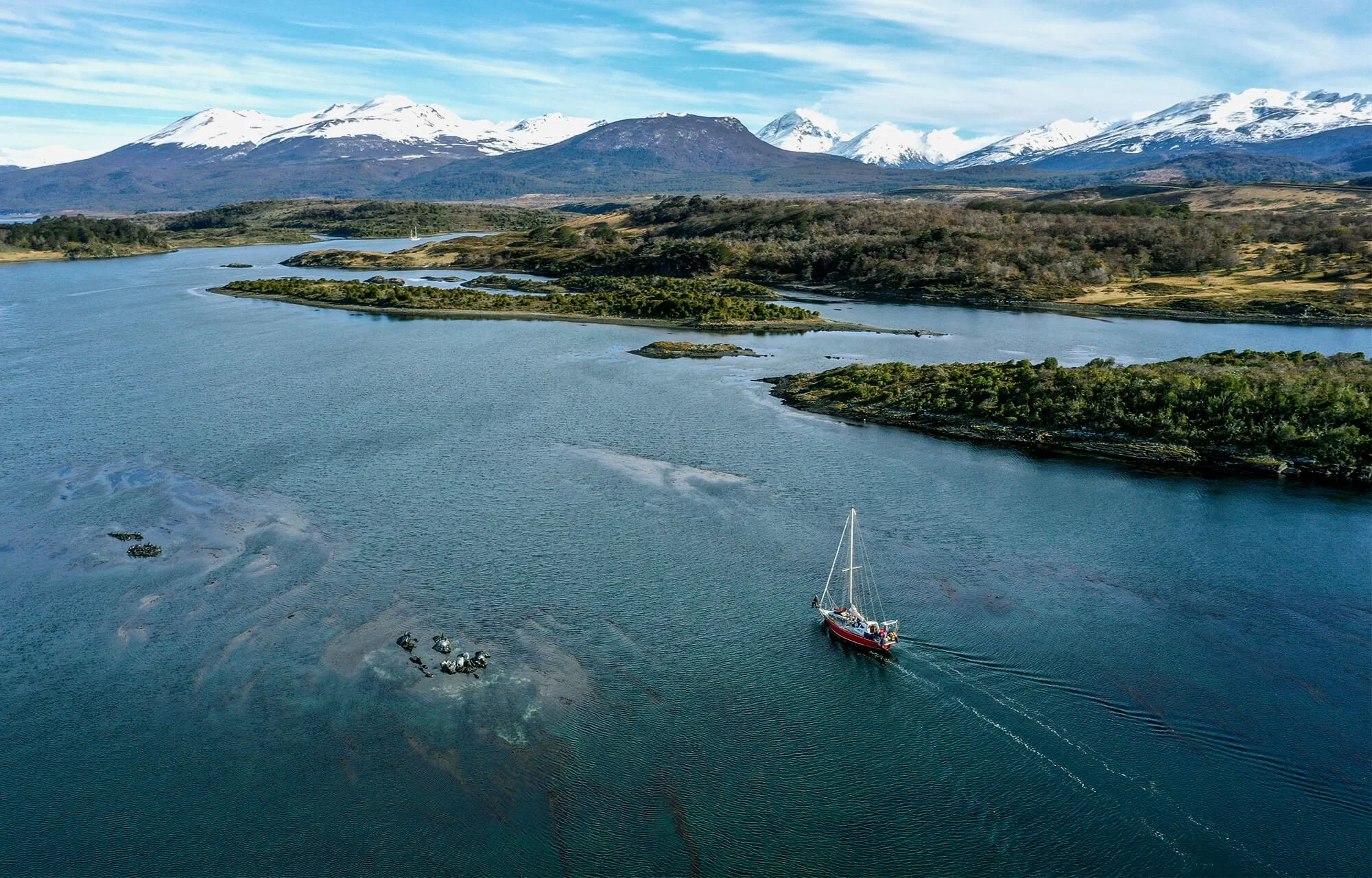
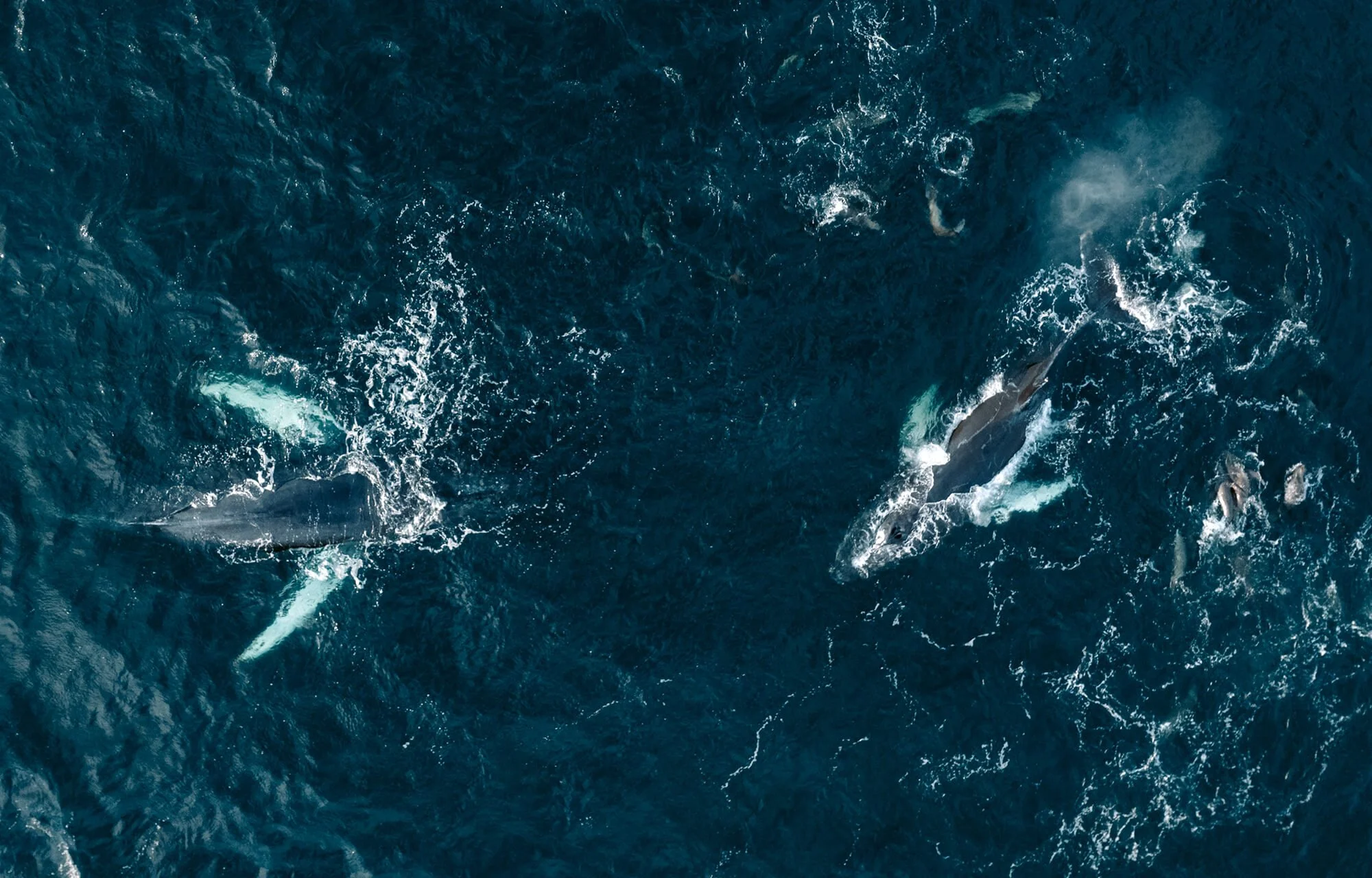
At the southernmost end of our planet, pummeled by unrelenting waves, the vast continental landmass spanning North, Central and South America finally tapers off and surrenders to the southern oceans. Beyond Tierra del Fuego and besides a few final outlying islands, Argentina’s Península Mitre marks land’s true end: a surprisingly diverse region of windswept beaches, rocky coves, carbon-rich peat bogs, sparse grasslands and the final few snow-capped mountains as the Andes range makes its last stand.
“Battered by storms, unpredictable winds and strong currents, Península Mitre sits at one of the most dangerous latitudes for navigation,” explains Cristian Lagger, Scientific Director of Por el Mar. “As we sailed towards it, our boats looked like two tiny walnut shells floating on a rough sea, surrounded by huge mountains and high, snow-capped peaks.”
Alongside Parley and Mission Blue, Por el Mar is a founding member of Forests of the Sea, our initiative to protect and restore kelp forest ecosystems all around the world. With its extensive kelp coverage and relatively pristine seas, southern Argentina will be a key region in this multinational effort to preserve marine life and help stabilize our climate.
Read more at Parley for the Oceans
Video by Jose Reyero / photos above by Marko Magister
KELP BASICS
What are kelp forests, and why do they matter? Found along 30% of the world’s coastlines in temperate waters, these underwater forests provide critical habitat, biodiversity, and benefits to thousands of marine species, coastal communities and the planet as a whole.
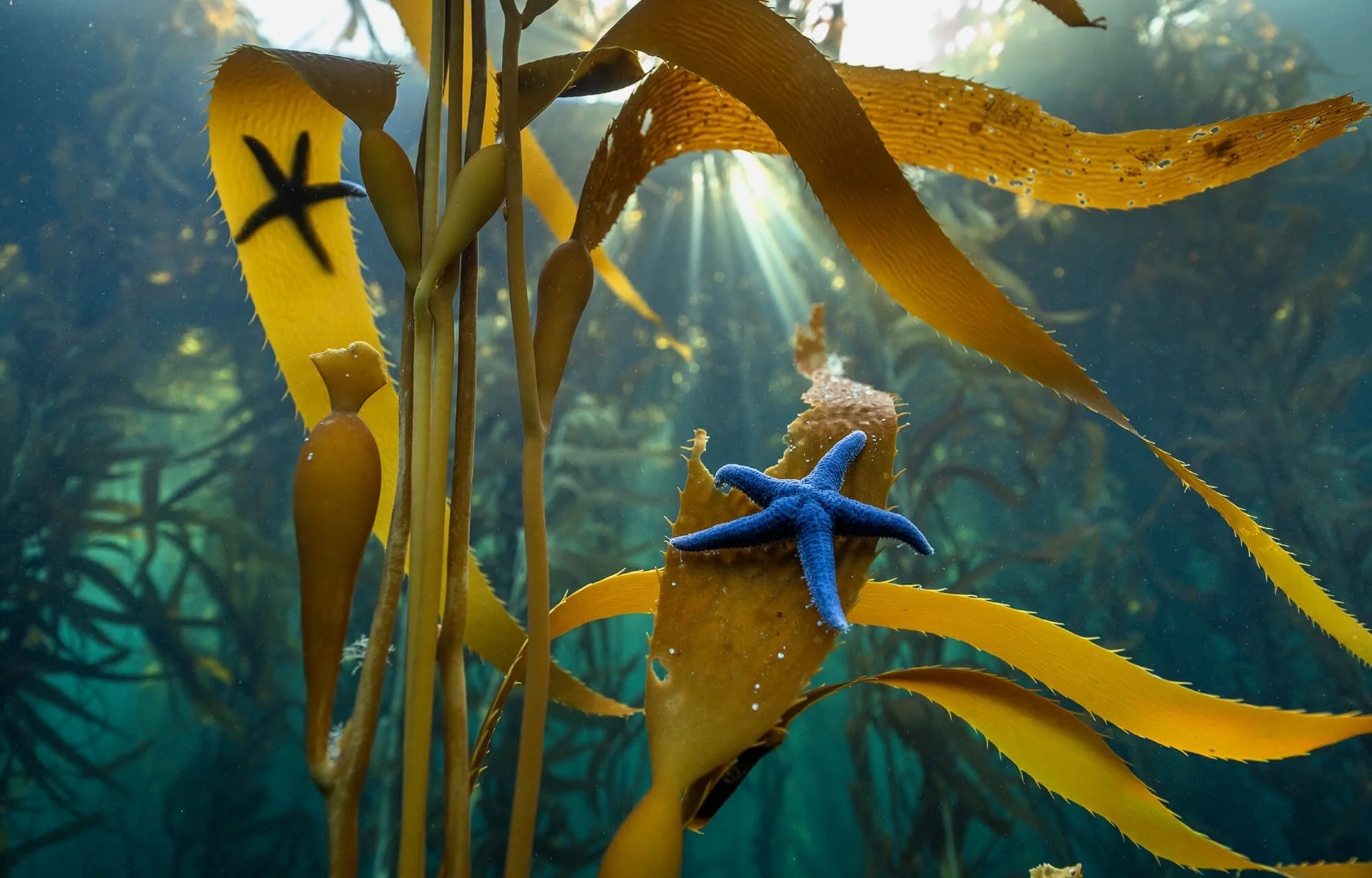
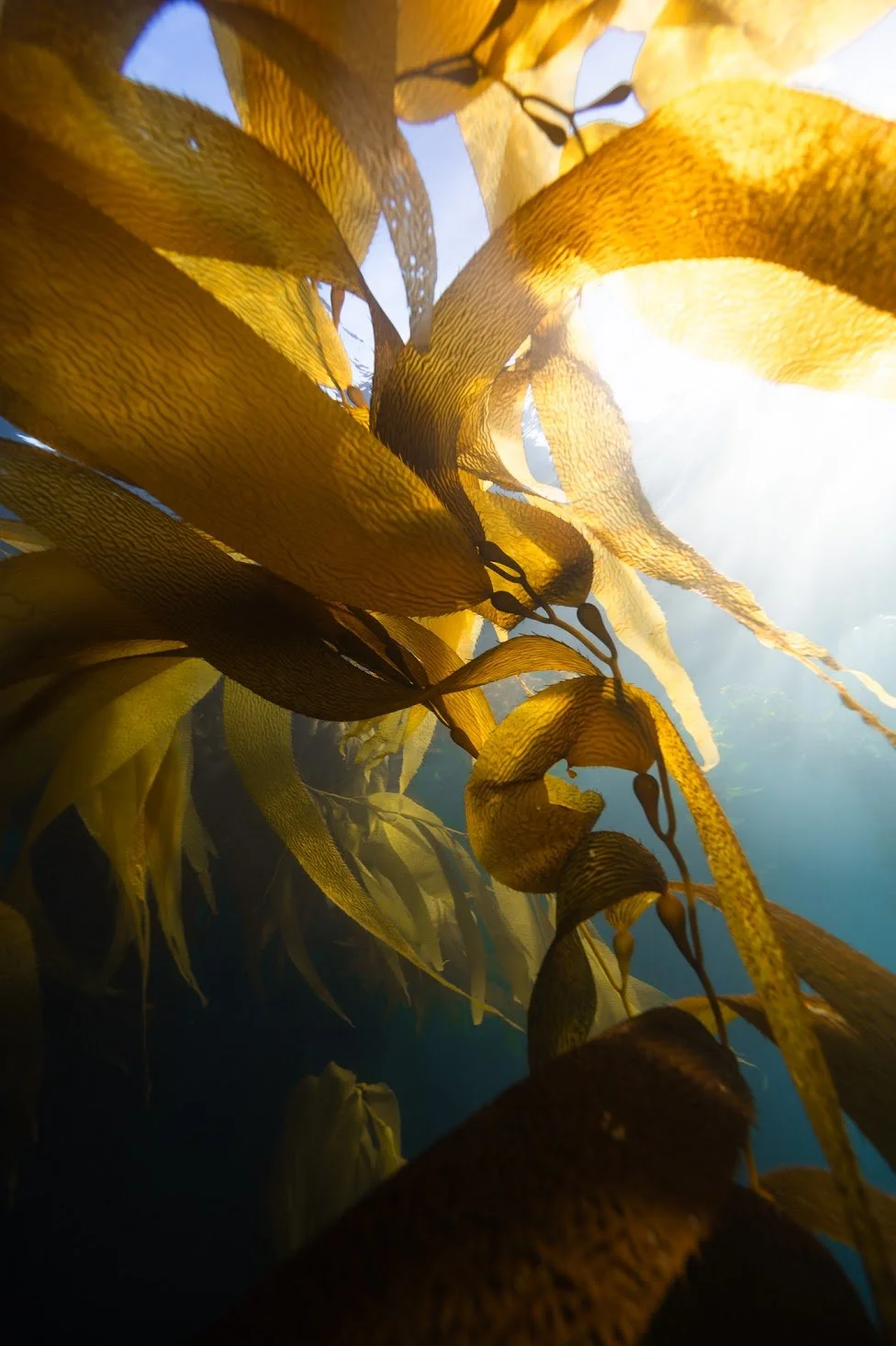
Kelp grow in temperate, coastal waters where they can form dense aggregations of individuals, known as kelp beds. A grouping of kelp beds is known as a kelp forest. With canopy forming kelp species like giant kelp (Macrocystis pyrifera) and bull kelp (Nereocystis luetkeana), which can grow to be over 100 feet tall, the forests they create really are the aquatic equivalent of terrestrial forests.
Learn more at Mission Blue
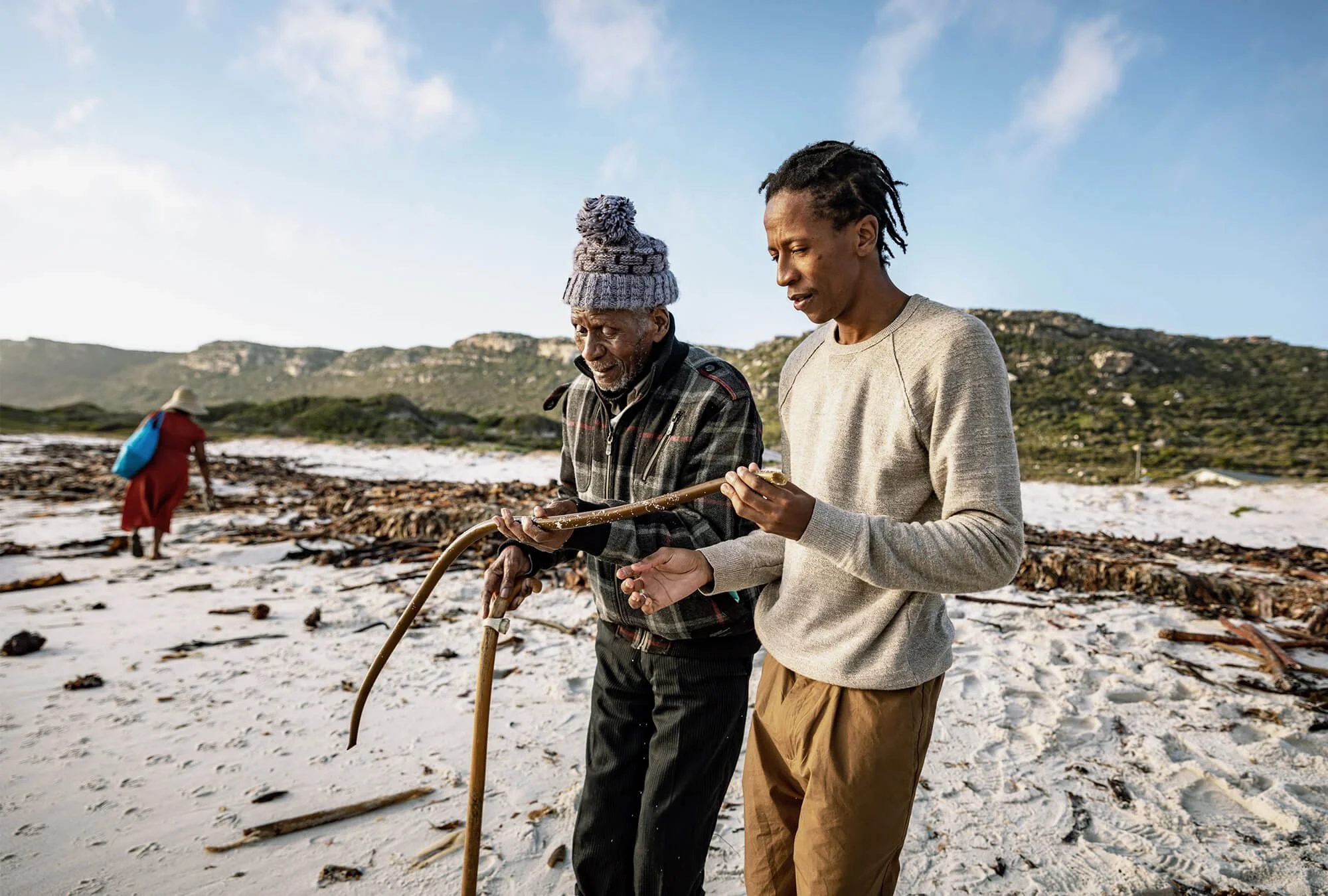
KELP FOREST GUARDIANS:
Loyiso Dunga
“For me, the role of Indigenous knowledge is core,” explains Loyiso Dunga, a South African marine biologist working to map kelp forests and engage with coastal communities as part of our Seas of Good Hope program. “Sometimes I become frustrated with the world for underestimating this because there is no way that our ancestors have taken care, safeguarded these things and passed them down to us for no reason.
For the work we are doing in the Great African Seaforest, we’ve got caves that look out into the ocean and there are shell middens there that show us how our ancestors were interacting with these spaces. Shell middens are piles of shells and bones – often it’s almost like a kitchen where someone sat, ate and left everything there, so they piled up. When you explore them, it’s out of this world just to see how much our ancestors were dependent on these systems and how we have inherited them.
I’m a scientist, but I grew up in a household with a traditional healer who uses marine species to heal people in my community, in my village. This Indigenous knowledge has been passed to me and my brothers and we carry it wherever we go. I understand the science that we need to ensure that we leave thriving kelp forest ecosystems, not only those standing golden beautiful plants, but the entire ecosystem – that’s what we need to preserve. When I think about that, plus everything that I was taught and how they come together in harmony, I think that’s what the world needs to realize more and more.”
Read our full interview with Loyiso
A Wilderness
Beneath the Waves
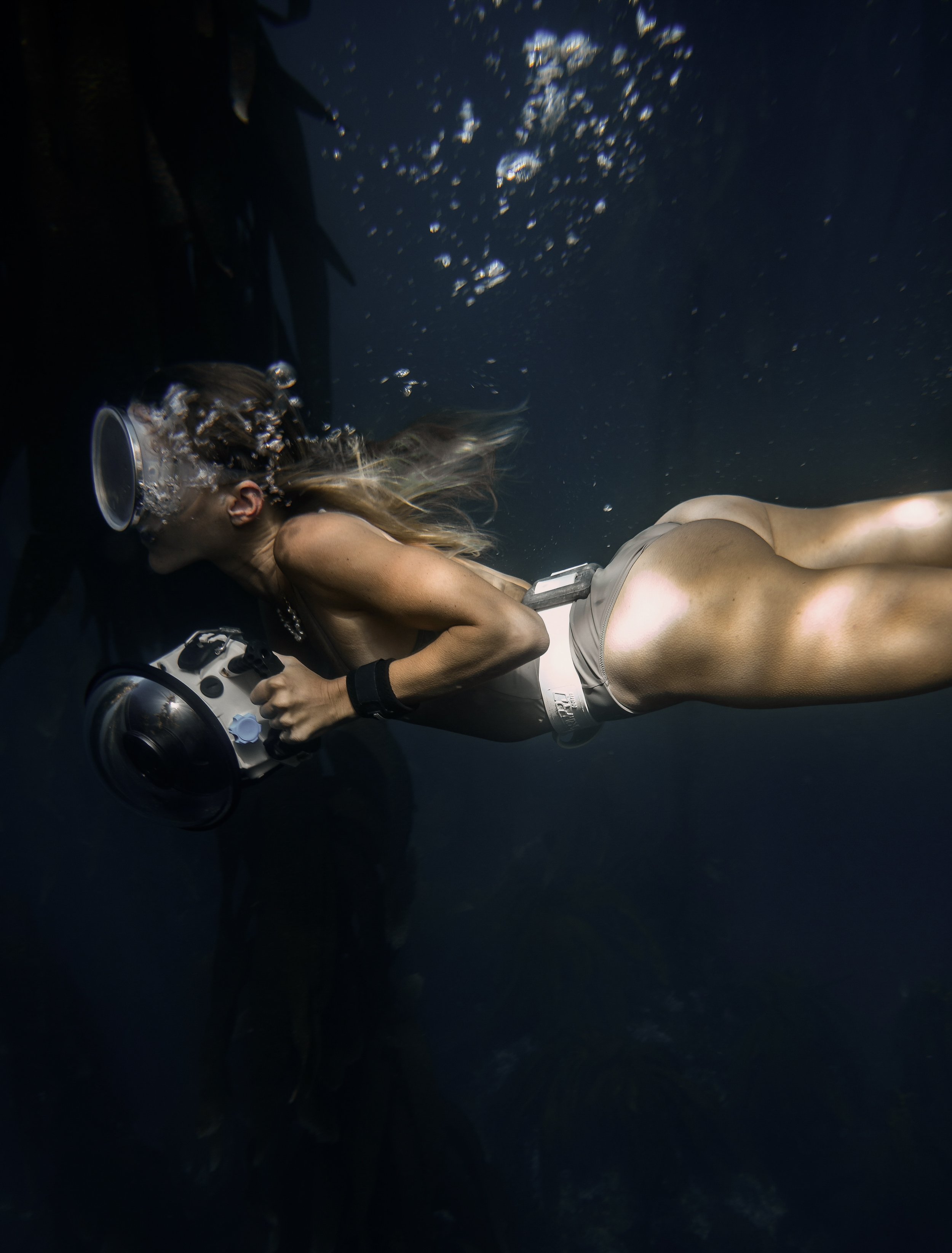
In a new series on social media and the Parley Journal, National Geographic photographer and storyteller Avery Schuyler Nunn shares lessons and discoveries from the planet’s vast kelp forests…
From the shore, a kelp forest looks like just a few bulbous fronds floating at the surface – but beneath those glimmers of gold lies an entire universe: a living, breathing ecosystem of essential wildlife. Schools of fish dart between the swaying fronds. Seals weave through sunbeams and nap in the rocks along the seafloor. Rays glide across meadows of seagrass. Sea otters wrap themselves in the floating kelp canopy, munching on sea urchins or cradling their pups in the safety of the fronds.
Kelp forests are among the most productive ecosystems on Earth, and some research suggests their carbon uptake rivals that of the Amazon rainforest per unit area. Absorbing up to two metric tons of carbon per hectare each year, they help buffer coastal waters from acidification. Giant kelps shelter and feed thousands of species, from fish and invertebrates to sea otters and seals, forming the foundation of rich marine food webs. Around the world, coastal and Indigenous communities depend on kelp for food, income and cultural traditions. Without these underwater forests, we would lose vital carbon sinks, biodiversity hotspots and sources of coastal protection and livelihood that sustain both ocean and human life.
Read Avery’s full article